Why redecorating feels overwhelming
and how to make it simple
- Published on
How hard is it to decorate a home, really? Honestly? It is hard. But before you start blaming yourself, let me tell you something important: this isn’t your fault.
We want every corner of our home to feel right — not just for ourselves, but for everyone who lives in it. When you think about it that way, of course redecorating feels overwhelming. That might sound a bit abstract, so let me put it into a more familiar situation.
The Everyday Reality of a Working Adult
Every morning, the alarm goes off. You get ready, head out the door, and step into another eight-hour workday. Day after day. I still remember my very first day at work. I walked in with a heart full of excitement — like a perfectly clean desk, ready for a fresh start. I couldn’t wait to prove myself, to show what I was capable of.
Now, that was the ideal version.
If your work life still feels like that, congratulations — you’re one of the lucky ones. But if most days feel heavy and exhausting, then you’re just like me. You’re normal.
So how did we get here? Where did that enthusiasm go?
Somewhere between endless tasks, impossible deadlines, and responsibilities we can’t escape, our passion slowly disappeared. It piled up — not just in our minds, but on our desks, in our folders, and inside our computers. Stacks of documents. Unsorted files. Unread emails.
One day, I thought, “It’s time to clean my desk. I should organize my files too.” I reached for a stack of folders sitting in the corner — and a cloud of dust filled the air. I sneezed… and quietly put them back. Seriously. Why does even organizing a desk feel this hard?
And if that already feels overwhelming, imagine redecorating an entire home.
That’s why I say — it’s not your fault.
Redecorating Doesn’t Have to Be Hard — Just Follow 3 Steps
Let’s make this simple. Instead of thinking about your whole home, let’s start with one of the easiest spaces to get messy: the bedroom. (And yes, mine gets messy very easily.)
Picture a cluttered bedroom:
A. Clothes overflowing from the closet
B. Books piled on the floor
C. An overstuffed coat rack
D. An unmade, chaotic bed
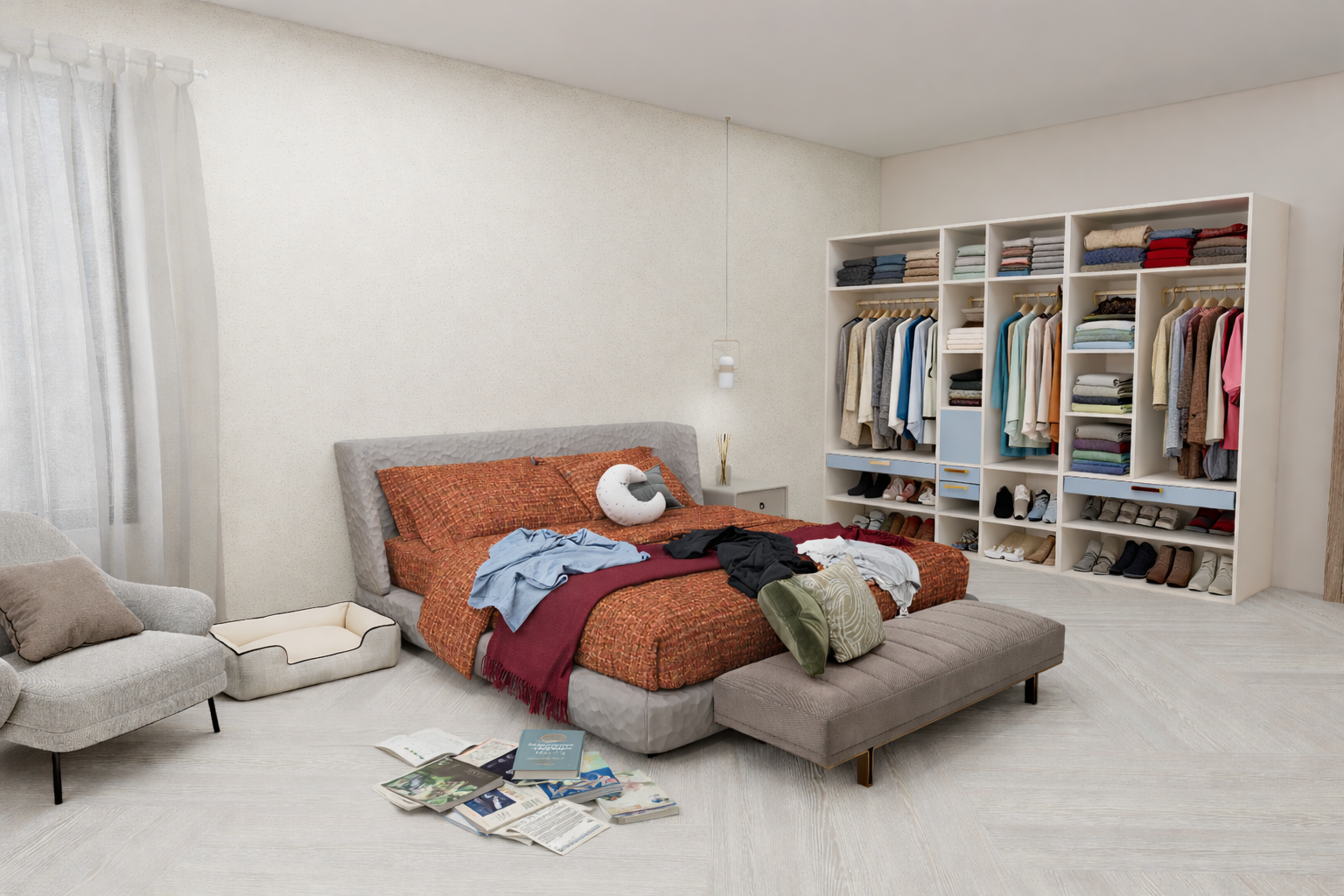
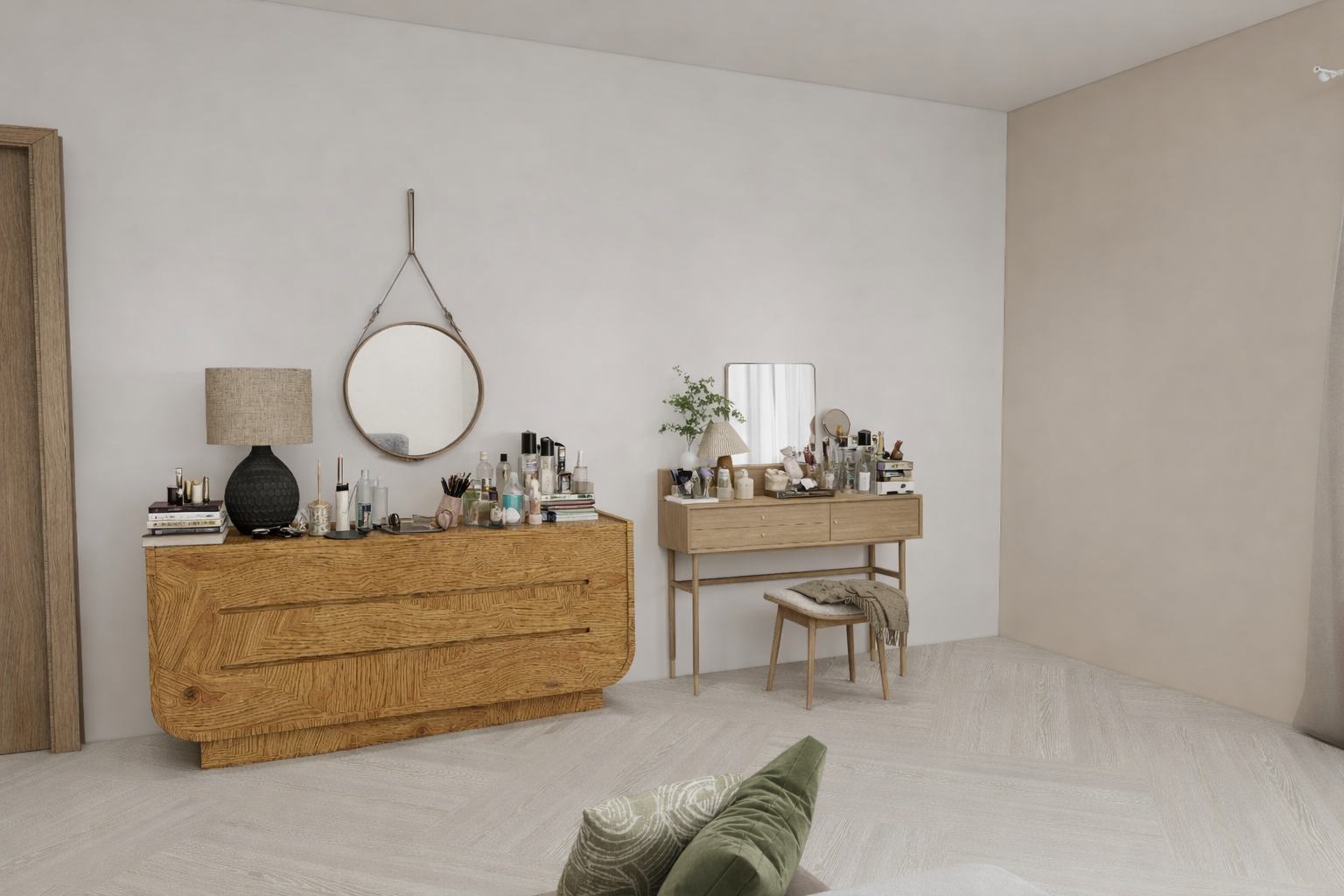
It looks overwhelming — but at the end of the day, it’s still a bedroom. That means its basic needs don’t change. So here’s the first step.
Step 1 : Keep Only the Essential Furniture
Before anything else, make sure the space still works. For me, functionality comes first — because our physical needs come before everything else. Once those are met, we can move on to comfort and emotion.
In this bedroom, the main functions are clear: Storing clothes, storing books, getting ready and sleeping well
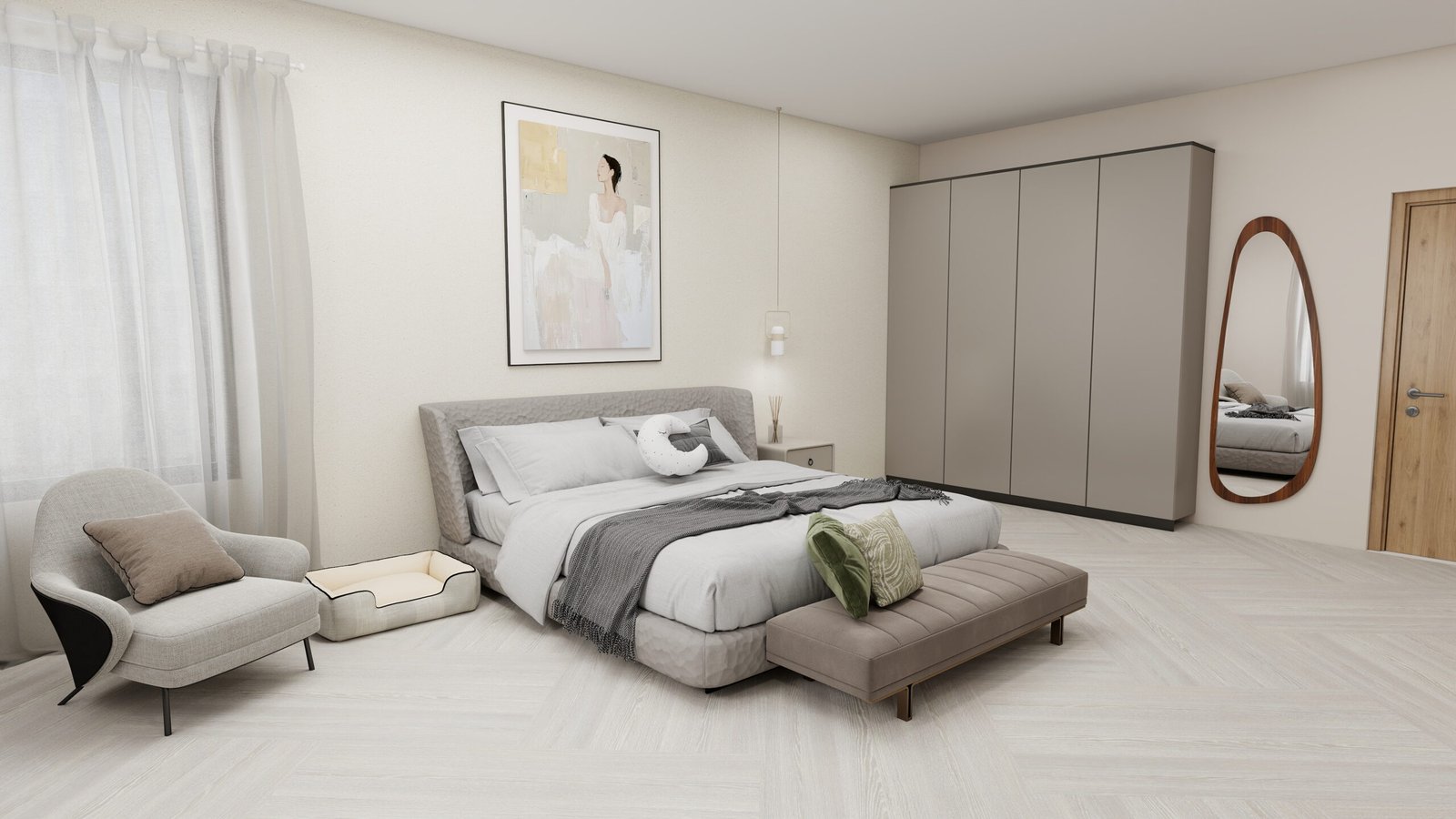
But the original open wardrobe? It no longer worked. While open storage feels convenient at first, it quickly becomes visually overwhelming. So I replaced it with a wardrobe with doors. Nothing fancy — just something that instantly made the room feel calmer and more organized. At this stage, keep only the furniture that supports these core functions. Everything else can go — at least for now.

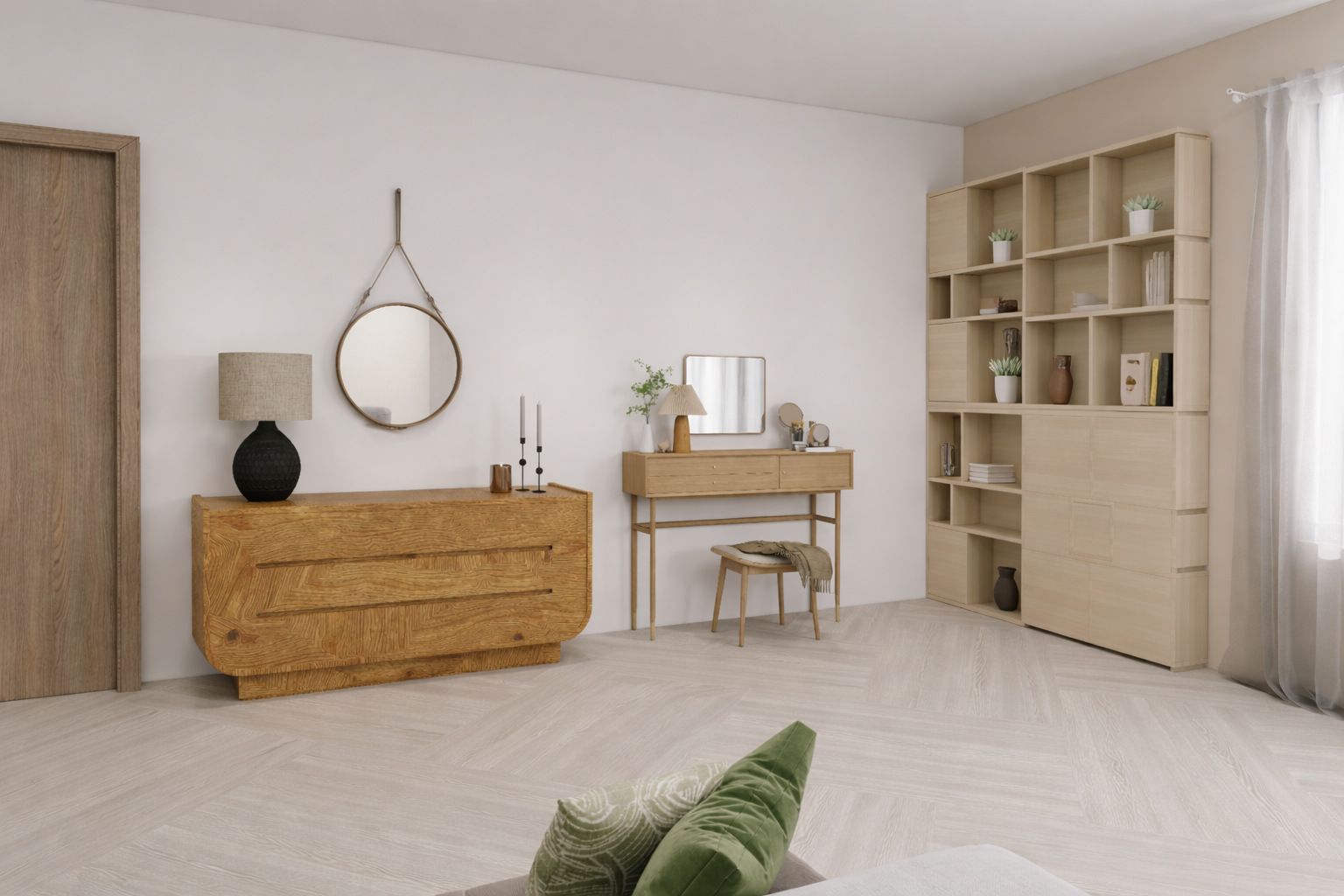
Step 2 : Reassign the Space
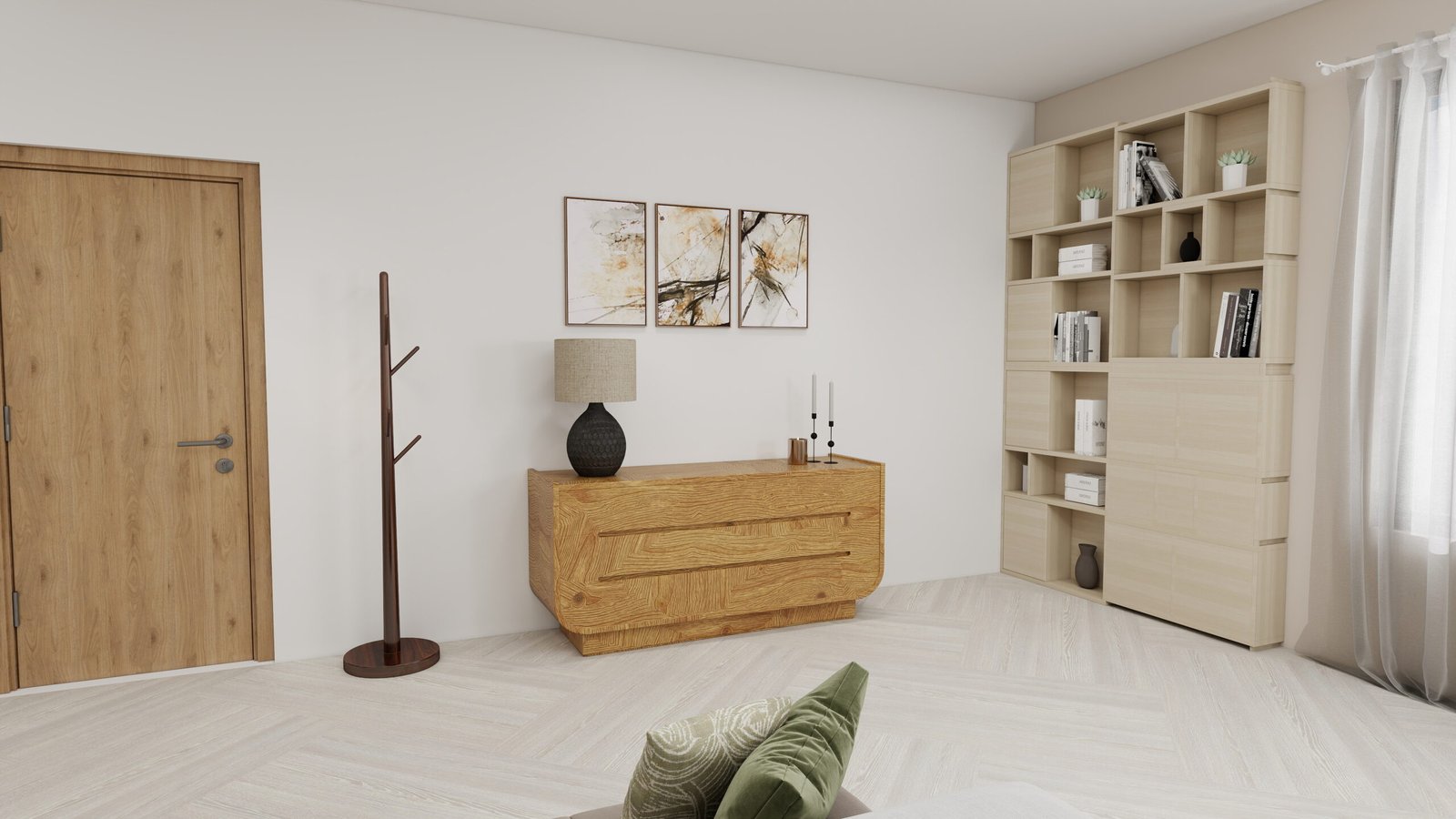
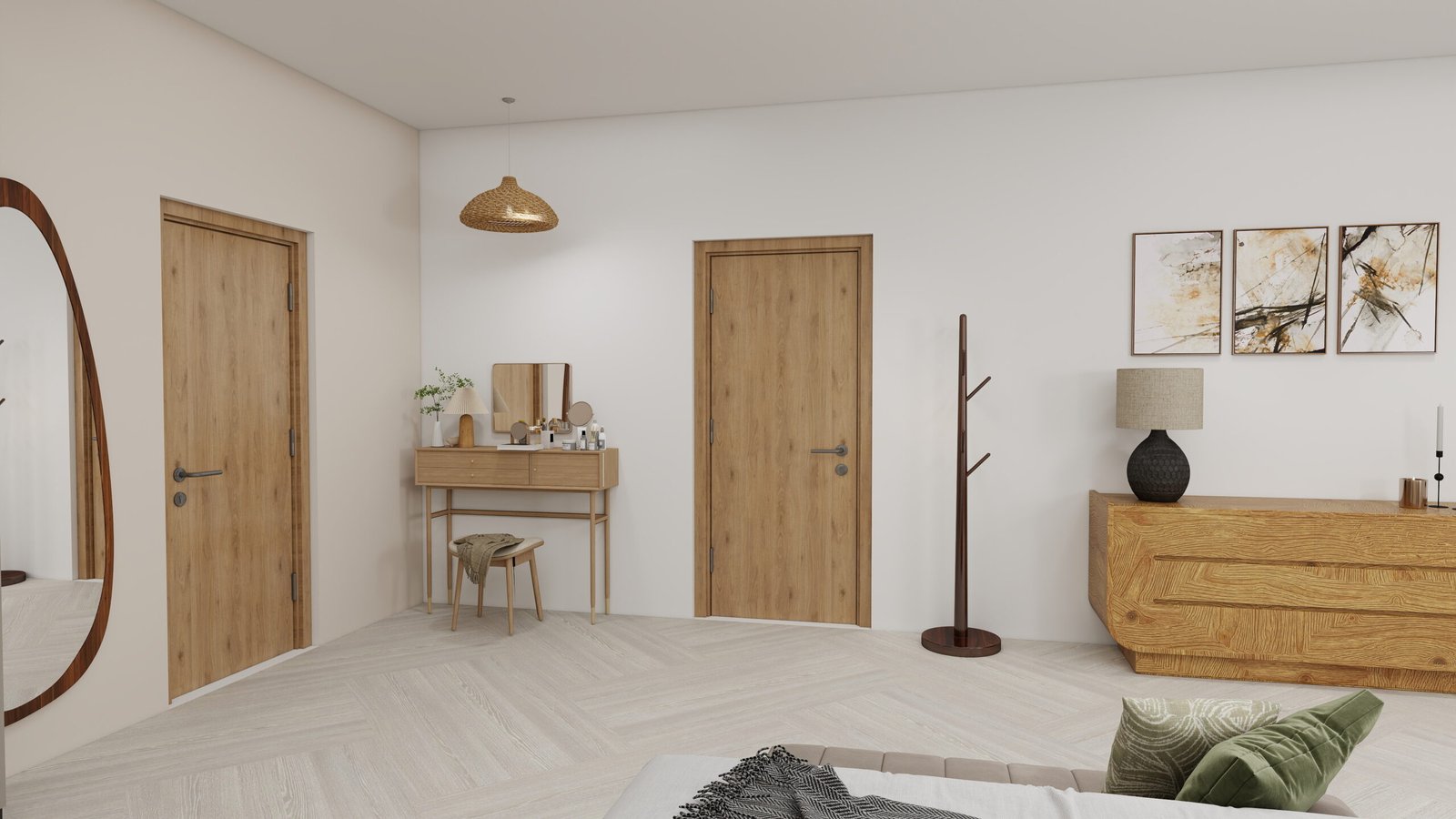
Once you know what furniture stays, decide where it should go. There’s no single “correct” layout. Arrange things based on your habits and daily flow — and remember, you can always change it later. In my case, I kept the bed and wardrobe where they were since they’re the largest pieces and define the room. But after adding a bookshelf, I moved the vanity closer to the bathroom, making my morning routine feel easier and more natural.
Small adjustments. Big difference.
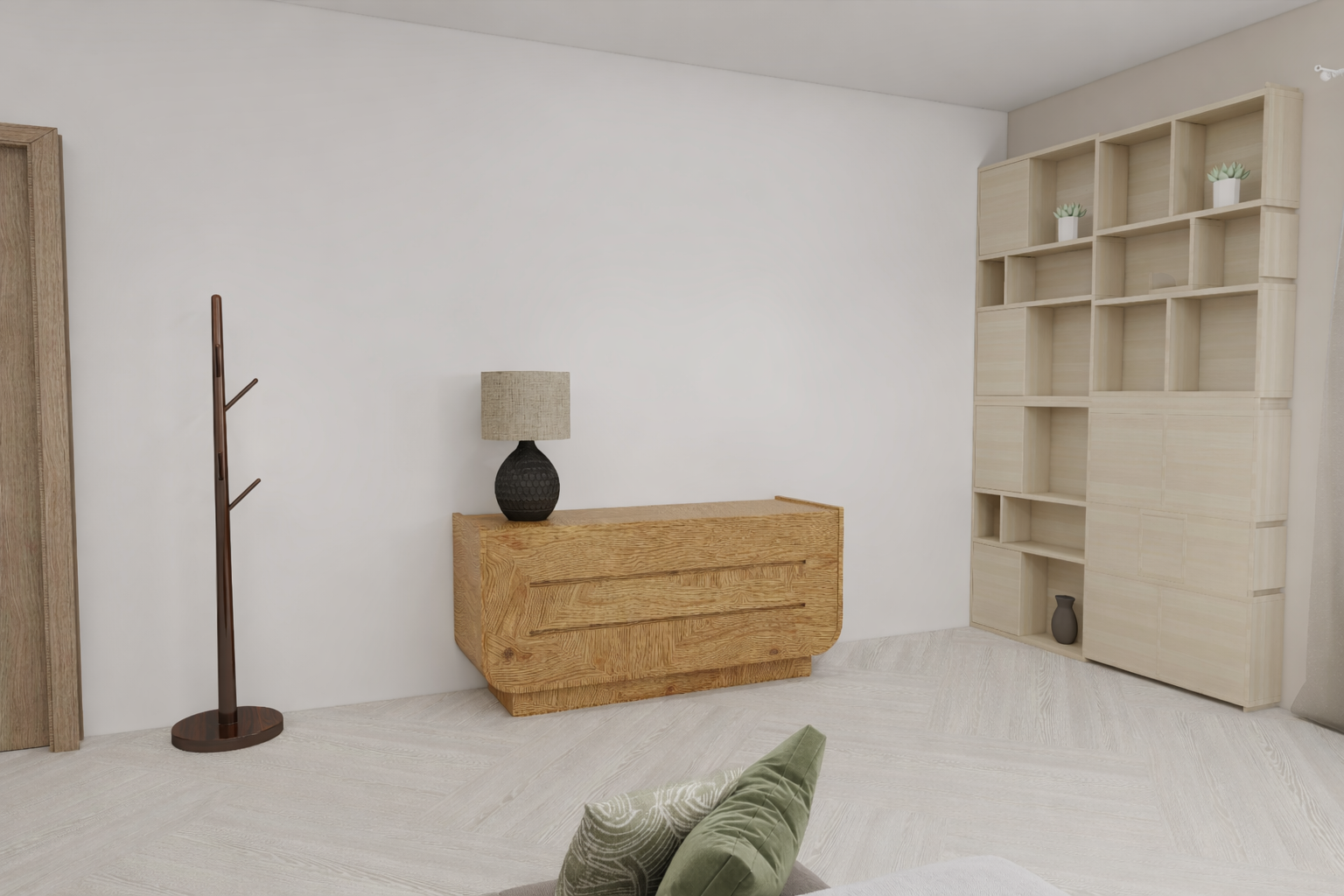

Step 3 : Add Your Personal Touch
Now comes the fun part — giving the room a soul. A space shouldn’t be functional only. It should reflect how you want to feel in it. For me, my bedroom needed to feel calm, grounding, and supportive — a place to unwind and prepare for the day. So I made three changes:
A. Bedding colors
I swapped out bright orange bedding for softer, warmer tones — gray and creamy beige. These colors blend effortlessly into the space and instantly create a sense of calm. They’re also incredibly forgiving — you really can’t go wrong with them.
B. Artwork
On the empty walls above the bed and dresser, I added artwork in similar tones. One piece even features plants — giving me a touch of nature without the responsibility of keeping real plants alive (I’ll admit it, I’m lazy).
C. A full-length mirror
After getting dressed, I realized I never had a place to see my full outfit. So I added a full-length mirror next to the wardrobe and moved the coat rack closer to the door — perfect for everyday use.